
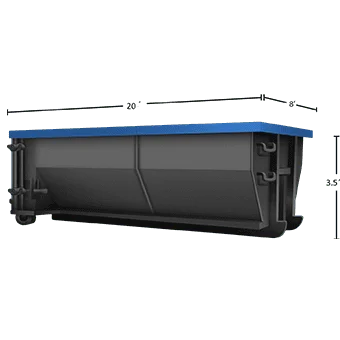
Match the container to the material
Tell the rental contact what is being removed, including dense material or any unusual item. Furniture, mixed cleanout contents and construction debris can require different acceptance and loading decisions. Do not add an unspecified waste stream after receiving an offer for another.
Bartlett’s municipal solid-waste information excludes materials including dirt, shingles, concrete, brick, tile, asphalt and gravel. A private container enquiry is a separate arrangement, not a promise that every excluded item can go into a roll-off. Confirm the accepted materials and applicable load limits before filling it.
Keep hazardous waste and local services separate
Shelby County’s household hazardous-waste programme is for residential waste, not business disposal. It has its own accepted-item list; that programme does not determine what a hired dumpster may receive. Identify questionable materials rather than mixing them into the project load.
Do not treat municipal cart or bulk-pickup instructions as a roll-off placement permit. For a proposed street or other public-space position, check the actual property situation with the relevant authority. Bartlett’s stormwater guidance also supports keeping debris out of streets, gutters and drains.
Agree the receiving and collection scope
Provide the address, debris description, hire period and proposed position. Ask for the offered container dimensions, usable loading arrangement, material restrictions and collection terms. A driveway location still needs suitable receiving space and clear access.
Use Dumpster Call Now or select Dumpster Rental in Get a Quote. If a separate load or replacement container will be needed, explain it in the request. Toilets and sanitary waste are a different rental service and should not be included in the debris container.